Independent reviews•We buy everything we test•Updated March 2026
How we test
We test every watercolor paper and sketchbook using a standardized process. Each surface goes through six tests: a flat wash for even coverage, wet-on-wet for blending, glazing for layering, lifting for error correction, scrubbing for durability, and dry brush for texture. We use the same pigments — Daniel Smith Ultramarine Blue and Burnt Sienna — and the same brushes across all papers, so the only variable is the paper itself. Testing happens over multiple sessions to account for humidity and temperature differences, and every product is purchased with our own money.
Painters who want cotton paper performance in a bound sketchbook format
Finding 100% cotton paper in a bound sketchbook format is genuinely rare, and Etchr's Perfect Sketchbook is the best version of it we have found. The 230gsm cotton cold press surface handles water the way Arches handles water: evenly, predictably, with a generous working window for wet-on-wet washes and clean lifting even after paint has dried.
100% cotton in a sketchbook format is rare and genuinely changes what is possible
Handles wet-on-wet washes and lifting cleanly, comparable to professional loose sheets
Vegan sizing for environmentally-conscious painters
Lies completely flat, sewn binding stays intact with heavy use
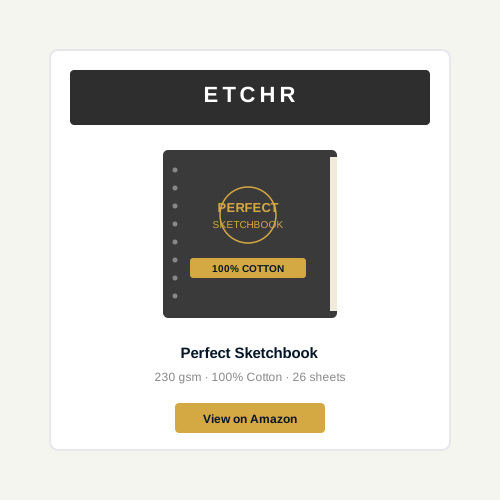
Finding 100% cotton paper in a bound sketchbook format is genuinely rare, and Etchr's Perfect Sketchbook is the best version of it we have found. The 230gsm cotton cold press surface handles water the way Arches handles water: evenly, predictably, with a generous working window for wet-on-wet washes and clean lifting even after paint has dried. We ran the same tests we use on professional loose sheets and the results were comparable. Glazed layers built up cleanly to six passes and beyond, lifting with a damp brush left crisp bright highlights, and even fairly aggressive scrubbing did not break down the surface. The vegan sizing is a selling point for some painters, though in practice the working feel is similar to gelatine-sized papers. The trade-offs are real: the price works out to more than a dollar and a half per page, and the heavier texture makes fine pen linework slightly harder to control. Etchr also typically sells these in three-packs rather than singles, though you can find singles occasionally on Amazon. For anyone who has maxed out what cellulose sketchbooks can do and wants cotton without switching to loose sheets, this is the answer.
Pros
100% cotton in a sketchbook format is rare and genuinely changes what is possible
Handles wet-on-wet washes and lifting cleanly, comparable to professional loose sheets
Vegan sizing for environmentally-conscious painters
Lies completely flat, sewn binding stays intact with heavy use
Cons
Sold in 3-packs on Etchr's own site, singles sometimes available on Amazon
Price works out to over $1.50 per page, more expensive than any other sketchbook here
Heavier texture is not ideal for fine pen or ink linework
The Hahnemuhle Watercolor Book is our go-to recommendation when someone asks for a bound watercolor book that actually works. At 200gsm, it is thinner than loose watercolor sheet paper, but Hahnemuhle's fine cold press surface handles water remarkably well for the weight. We have run flat washes, graded washes, and light wet-on-wet on this paper without the kind of warping you would expect from 200gsm cellulose. The key is its tight surface sizing and the fine tooth, which slows water absorption just enough to give you control. The binding is the other major selling point: it lies completely flat when open, and both sides of the paper have the same texture, so you get usable spreads rather than one wasted back side per sheet. The canvas-effect hardcover is durable enough for daily bag use. Where it hits its limits is with heavy, saturated wet-into-wet work. Load too much water and the page will buckle at the edges, which is just physics for 200gsm paper. For the kind of working-out-ideas painting that a sketchbook is actually for, this is the most satisfying option in the affordable range.
Pros
Lies completely flat when open, both sides of the paper have identical texture
Handles a surprising amount of water for 200gsm cellulose
Fine cold press tooth works well for both washes and pen linework
Canvas-effect hardcover is durable for daily bag use
Cons
Not cotton, so lifting and scrubbing have real limits
Heavy wet-on-wet will buckle the pages, especially near the center gutter
Fewer sheets than some competitors at the same price
Stillman and Birn Beta is the heaviest paper in sketchbook format at 270gsm, and that extra weight makes a noticeable difference. We have filled two of these and the pages barely buckled even under fairly wet washes. The bright white surface sets it apart visually. Colors read clean and high-contrast against it, which is useful if you paint subjects with a lot of value range. It also takes ink particularly well. The smooth-ish cold press texture lets dip pen nibs and technical pens track without snagging, and watercolor washes settle cleanly over dried ink lines. The sewn binding is genuinely solid, the kind that will still be holding together after the book is full, not shedding pages midway through. The limitation is the paper composition. Being cellulose, it does not release pigment on lifting the way cotton does, and aggressive scrubbing will eventually disturb the surface sizing. For painters who work mostly with pen and light-to-medium washes, though, these compromises rarely come up in practice. If you want the most stable cellulose sketchbook available, this is it.
Pros
270gsm barely buckles even under moderately wet washes
Bright white surface makes colors read clean and high-contrast
Cold press tooth is fine enough for pen and dip nib without snagging
Sewn binding is durable and stays intact after the book is full
Cons
Cellulose composition limits lifting and scrubbing compared to cotton
Dries faster than cotton, compressing the wet-on-wet working window
Higher price per sheet than most cellulose sketchbooks
Tobio's Beginners Workbook solves a specific problem that blank sketchbooks can't: the fear of starting. Each page has a pre-sketched illustration, similar to a coloring book but designed for watercolor paint instead of markers. You pick a page, grab your brush, and paint inside the lines. The paper is 300gsm cold press cellulose, thick enough to handle light to medium washes without warping. We wouldn't try heavy wet-on-wet techniques on it, but for learning brush control, color mixing, and basic layering, it does the job. The workbook format is what sets this apart. If you've ever opened a blank sketchbook and immediately closed it again because you didn't know what to paint, this is for you. The designs range from florals to fruits to simple landscapes. It's genuinely relaxing to use, which explains the 6,000+ reviews on their site. The downside is obvious: once you're comfortable with a brush, you'll outgrow the guided format and want blank pages. Think of this as training wheels, not a long-term sketchbook. At around $13, it's cheap enough to be worth trying.
Pros
30 pre-sketched illustrations so you never face a blank page
Paper handles watercolor washes without bleeding through
Compact size works well for quick 10-15 minute sessions
60-day money-back guarantee takes the risk out of trying it
Cons
Not available on Amazon, ships from tobioskits.com only
Pre-drawn designs limit creative freedom once you're past beginner stage
Paper is cellulose, not cotton, so heavy wet-on-wet techniques will buckle it
Strathmore's Visual Journal Watercolor is the most common watercolor sketchbook in art store aisles, and for good reason. The 140lb/300gsm acid-free cellulose paper handles light to moderate washes without any prep work. Flat washes and two-layer glazes look clean. The spiral binding lets the book fold completely flat or all the way back on itself, which makes it easier to hold at odd angles while sketching outdoors. At this price, it is the obvious first buy for someone just exploring watercolor sketchbooks. The limitations show up quickly if you push the techniques. Heavy wet washes cause noticeable buckling, especially near the center of the page. The surface is a bit rough compared to Hahnemuhle or Stillman and Birn, which creates some texture effects that can feel uncontrolled on detailed work. Lifting is possible but the paper does not release cleanly the way cotton does, and pen lines on the slightly rough surface can look uneven. The spiral binding, while practical, does not have the premium feel of a sewn or hardcover book. For the price, none of these are deal-breakers. This is the right sketchbook if you want to fill pages without spending much.
Pros
140lb/300gsm paper handles light-to-moderate washes without prep work
Spiral binding folds completely flat or all the way back on itself
Widely available at most art supply stores and online
Affordable enough to use freely without worrying about cost per page
Cons
Heavy washes cause noticeable buckling near the center of the page
Surface is a bit rough compared to Hahnemuhle or Stillman and Birn
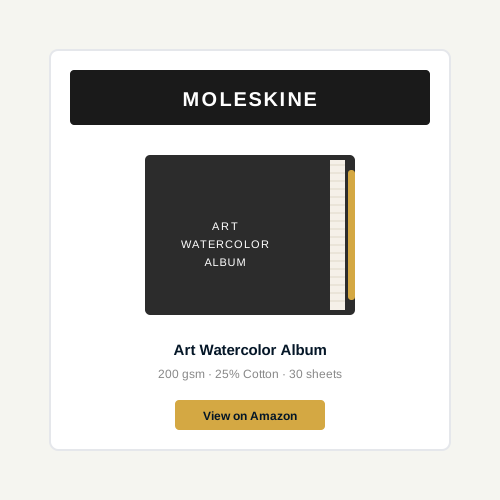
Moleskine's watercolor album is the most beautifully designed book on this list, and also the one where the gap between looks and performance is most obvious. The 200gsm 25% cotton paper has a pleasant ivory tone that makes finished work look warm and considered, and the elastic closure, inner pocket, and ribbon bookmark are small details that feel right in the hand. For light washes, pen and watercolor sketches, and loose color studies, it performs acceptably. The cotton content gives it a slight edge over pure cellulose at the same weight. Where it falls apart is with anything heavier. Load too much water onto a page and it will buckle visibly, which affects how the pigment settles and dries. The paper also dries faster than you might expect for cotton content, limiting wet-on-wet possibilities. The aspect we find most frustrating is batch inconsistency: we have bought three of these over two years and the paper behavior was noticeably different between the first and second. If you paint primarily with quick pen sketches and light watercolor washes on top, this is a stylish and practical choice. For anything technically demanding, another book will serve you better.
Pros
Elastic closure and inner pocket make it practical for travel
Ivory white paper tone gives finished work a warm, considered look
25% cotton content gives it a slight edge over pure cellulose at the same weight
Compact format fits easily in a coat pocket or small bag
Cons
Only 200gsm, so heavy washes will buckle the page noticeably
Paper behavior has been inconsistent between production batches
Dries faster than you would expect given the cotton content, limiting wet-on-wet
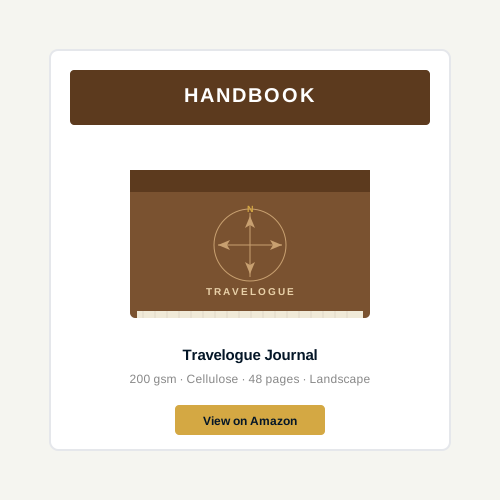
The Handbook Travelogue takes the landscape format and pocket size combination that field painters want and delivers it at a low price. The 200gsm cellulose paper handles light washes well, and the landscape orientation is genuinely useful for wide views, cityscapes, and anything where the subject extends horizontally. It lies reasonably flat when open, which is more than you can say for some similarly priced books. 48 pages gives you plenty of painting space before you fill it. The material limitations are standard for 200gsm cellulose: too much water and the pages buckle, heavy wet-on-wet work is not what this book is for. The bigger concern is consistency. We have seen variation between individual copies of this book in how the paper absorbs water, which can be frustrating when you switch to a new one and the behavior feels different. The glue binding is also less durable than sewn or spiral alternatives, and pages can loosen over time with regular use. If the landscape format and pocket size fit your painting habit, it is a practical option at the price. Just know its limits before you commit to it for field work.
Pros
Landscape orientation is genuinely useful for wide subjects and field painting
48 pages gives plenty of practice space before filling the book
Compact pocket size fits in a coat pocket or small bag
Cons
200gsm buckles with too much water, especially in the center of the page
Paper consistency varies between individual copies of the same book
Glue binding means pages can loosen over time with regular use
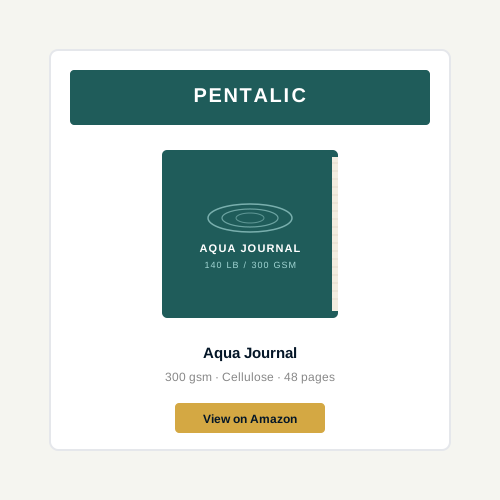
The Pentalic Aqua Journal's main argument is value per page: 48 pages at a budget price is more than most competitors offer. The 140lb/300gsm cellulose paper handles light washes decently, and if you are working quickly with thin paint and not too much water, it performs fine. We use this kind of book for quick color sketches and studies where the priority is getting a lot done rather than achieving technically precise results. Once you push it harder, the limitations become evident. The paper dries noticeably fast, which compresses your working window for wet-on-wet techniques and makes soft blended edges harder to achieve. The binding is average and shows its cost, especially after the book has been opened and closed repeatedly. The surface also grabs tape adhesive aggressively, so if you try to mask off borders, pulling the tape will lift paper fibers. Heavy washes will buckle it. For painters who want a high-volume practice journal and plan to keep their washes fairly dry and controlled, the page count makes it worth considering. If you need flexibility for wet techniques or precise edge work, look at Hahnemuhle or Stillman and Birn instead.
Pros
48 pages is more than most competitors at a comparable price
Affordable per-page cost for high-volume practice work
Hardcover holds its shape better than spiral or glue-bound alternatives
Cons
Dries noticeably fast, compressing the wet-on-wet working window
Tape will pull surface fibers when removed, damaging the page
Heavy washes buckle it, and the binding quality is average
The minimum for watercolor in a sketchbook is 200gsm, and that is a genuine minimum, not a suggestion. Below it, a wet wash will buckle the page badly enough that pigment pools unevenly and dries with tide marks around the edges. At 200gsm with good sizing (Hahnemuhle, Moleskine), flat washes and two-layer glazes work fine. The pages will wave slightly under a loaded brush but settle back close to flat as they dry. At 270gsm (Stillman and Birn Beta), the paper is noticeably more stable under wetter work. At 300gsm (Tobio's Workbook), it handles close to a proper loose sheet for light techniques.
The paper weight guide covers how GSM affects technique in detail. The short version for sketchbooks: 200gsm is good for controlled sketching, 270-300gsm is better if you paint with a lot of water or work large sections at once.
When a book advertises a high page count at a low weight, treat it with skepticism. Getting to 48 pages usually means accepting lighter paper that buckles sooner. Pentalic and Handbook both do this. Neither is a bad book, but knowing the trade-off upfront saves frustration.
Cotton vs cellulose
For studio work on loose sheets, cotton is significantly better than cellulose. In a sketchbook, the difference is smaller and more context-dependent.
Cotton gives you a longer wet working window, cleaner lifting of dried pigment, and resistance to pilling when you scrub a section. These advantages matter enormously for finished paintings where you are doing multiple passes and corrections. In a sketchbook, where you are mostly making studies and building habits, the difference shows up less often.
Good cellulose sketchbooks (Hahnemuhle, Stillman and Birn) handle light-to-moderate watercolor well. You lose some lifting capability and your wet-on-wet window is shorter, but you gain affordability that means you can fill books without financial anxiety. For beginners especially, volume of practice matters more than paper performance.
Etchr's sketchbook is the exception: 100% cotton in a bound format handles like professional paper. It costs correspondingly more, roughly a dollar and a half per page, and makes the most sense for painters who treat sketchbooks as finished work rather than practice space.
Binding types
Hardcover sewn binding (Hahnemuhle, Stillman and Birn, Etchr) lies completely flat when open and stays that way even when the book is nearly full. The sewn spine holds up to daily use without pages loosening or the cover warping. The main limitation is slight rigidity near the center gutter, which can make painting across a full spread slightly awkward.
Spiral binding (Strathmore Visual Journal) lets the book fold completely flat or all the way back on itself. This is genuinely useful outdoors when you are holding the book at an angle or need it to take up less space on a small table. The practical flexibility outweighs the slightly less premium look for a lot of painters who work in the field.
Glue binding (Handbook Travelogue) is the weakest option. Pages can loosen over time with regular opening and closing, and the spine offers less protection than sewn or spiral alternatives. It works at budget prices, but it is worth factoring in before buying a glue-bound book for daily use.
Format and size
Portrait format (taller than wide) is the default for most sketchbooks and suits still life, figure work, botanical subjects, and most representational painting. Landscape format (wider than tall) fits outdoor painting, cityscapes, and wide subjects more naturally. The Handbook Travelogue's landscape orientation is a genuine advantage for field painters who find themselves constantly rotating a portrait book sideways.
Most watercolor sketchbooks fall in the A5 range, roughly 14 x 21cm (5.5 x 8.5 inches). This is large enough to work with some detail while still fitting in a bag. Smaller than A5 is usually too tight for anything except the quickest thumbnail sketches.
What to prioritize
Paper quality comes first. A beautiful binding on weak paper is still a bad watercolor sketchbook. If the paper buckles at the first wet wash or pills when you try to add a second layer, no other feature compensates for it.
Page count matters less than it appears on the label. Most watercolor sketchbooks have 20 to 30 sheets, which sounds low compared to drawing notebooks but is normal given paper thickness. A 26-sheet sketchbook at 270gsm is heavier and more rigid than most 200-page drawing books. When a book advertises 48 pages, check what weight gets you there.
Portability and binding are personal. Think about where you actually paint. Outdoors with no flat surface available, a spiral-bound book that folds back on itself is far more practical than a hardcover. At a studio table, a hardcover that lies completely flat is easier to work with. There is no universally correct answer.
For beginners choosing their first watercolor supplies, the best watercolor paper for beginners guide covers loose sheets and pads alongside sketchbooks to help you decide which format suits how you want to work.
Frequently asked questions
What GSM should a watercolor sketchbook be?
200gsm minimum, 270-300gsm if you use lots of water. Anything under 200 will buckle badly. Most serious watercolor sketchbooks are 200-300gsm.
Can I use a regular sketchbook for watercolor?
No. Regular sketch paper is too thin and has no sizing, so water will bleed through, buckle the page, and make colors look dull. You need paper designed for wet media.
Is cotton paper necessary in a sketchbook?
Not for practice and casual painting. Good cellulose paper like Hahnemuhle or Stillman & Birn works fine for most techniques. Cotton matters more for finished work you plan to frame.
What's the difference between a watercolor sketchbook and a workbook?
A sketchbook gives you blank pages. A workbook like Tobio's has pre-sketched designs you paint over, similar to a coloring book but for watercolor. Workbooks are better for beginners who get stuck on what to paint.
Do watercolor sketchbooks lie flat?
Depends on the binding. Hahnemuhle and Etchr lie completely flat. Stillman & Birn and Moleskine mostly lie flat but some spreads gap at the spine. Spiral-bound books like Strathmore fold all the way back.
How many pages should a watercolor sketchbook have?
Most have 20-30 sheets (40-60 pages). That's normal because watercolor paper is thick. Pentalic gives you 48 pages which is more than average. Don't compare page counts to regular notebooks.